
SOMETHING TO GET YOU SQUIRMING
13 August 2020by Claire Holmes3 min read
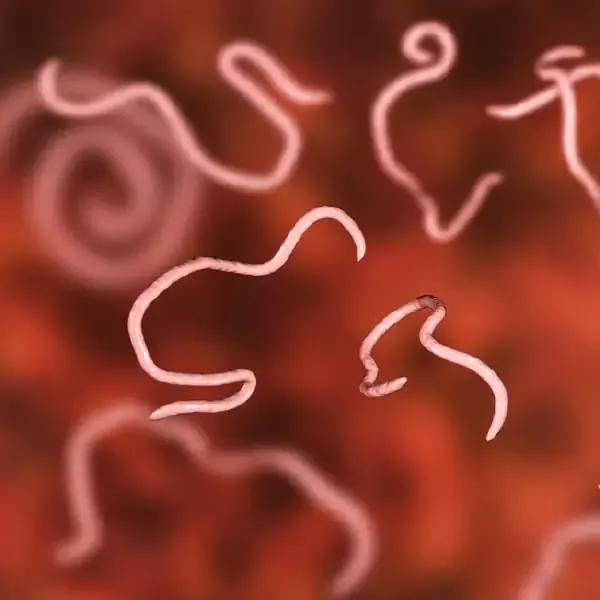
These worms are called Enterobius Vermicularis, also known as threadworm, pinworm or seatworm.
They are the most common worms affecting humans in our developed countries. They look like short little pieces of white cotton thread. This is how they got their name.
Human’s are the only host for threadworms and thankfully they can’t survive in the intestinal tract of cats or dogs. Therefore, humans are the only spreaders of these little critters too. Adults can get these just as easily as children and even the cleanest families can get infected. They are highly infectious and adults are generally less symptomatic.
Some of the main symptoms of threadworms include;
itchy bottom- most common in children. Can be at any time, but worse at night
vulval itching
urinary incontinence
tummy pains
watery stools
teeth grinding
nightmares
restless sleep
loss of appetite
irritable
So how do we get threadworms?
It all begins by ingesting the EGGS; via contact with others, by consuming contaminated food or water, by biting our nails, thumb sucking or touching contaminated items. Also by inhaling dust from bedding, couches or other fabrics that are infected by their tiny eggs, or via sexual contact.
How do they reproduce?
Threadworms are between 5mm (females) to 10mm (males) long. Once you ingest the eggs they hatch in the small intestine. After 2 months they develop into adult worms and then migrate to the large intestine where they mate. 1 month after mating the male dies and the female survives and moves to the anus. Only at night the female comes out onto the perianal area and lays eggs. 4-6 hours later these eggs grow into worms and wriggle back into their home…YOU! This is called retro-infection.
In order to stay alive and reproduce they cause your bottom (and sometimes vaginal area) to be extremely itchy at night. So we itch, sometimes without even knowing, getting eggs on our fingers and in our nails. So then when we pick our nose, bite our nails, suck our thumb, touch items or put our fingers in our mouth while eating food and become reinfected. Or we infect others….. and so the cycle continues!
Treat one, treat all
Once worms have been diagnosed, it’s essential that you treat the whole family.
Other necessary measure to prevent reinfection:
Cut nails short
Scrub under nails
Shower or bathe first thing in the morning
Wear undies to bed and fresh undies after bathing
Regularly wash bath towels and use only yours
Use a barrier cream on the bum at night time
Disinfect the toilet seat
Vacuum and mop the home
Wash all bedding or blankets
Clean teddies and bath toys
What causes re-infection?
Nose picking
Thumb sucking
A low immune system or poor gut health
Genitourinary reservoir in females
What if there is reinfection on a regular basis?
Consult your practitioner for alternative treatment options that also focus on enhancing your immune system and improving overall gut resilience.
Keep reading
More from Body Wisdom

Yawn Away Your Stress
Neuroscience now shows that even if we are slightly stressed, our brains ability to function optimally is significantly reduced. We have an impaired ability to take in new information. This has been proven right down to the neuron level.
13 February 2021 · 2 min read

What can you do right now to improve your gut microbiome?
More and more evidence is confirming the importance of a healthy gut microbiome.
20 September 2019 · 2 min read

We Truly Are Incredible
Our human body is made up of around 70 trillion cells and 20,000 genes. Each single gene can make over 200 different proteins depending on the micro RNA that surrounds it.
30 March 2020 · 4 min read